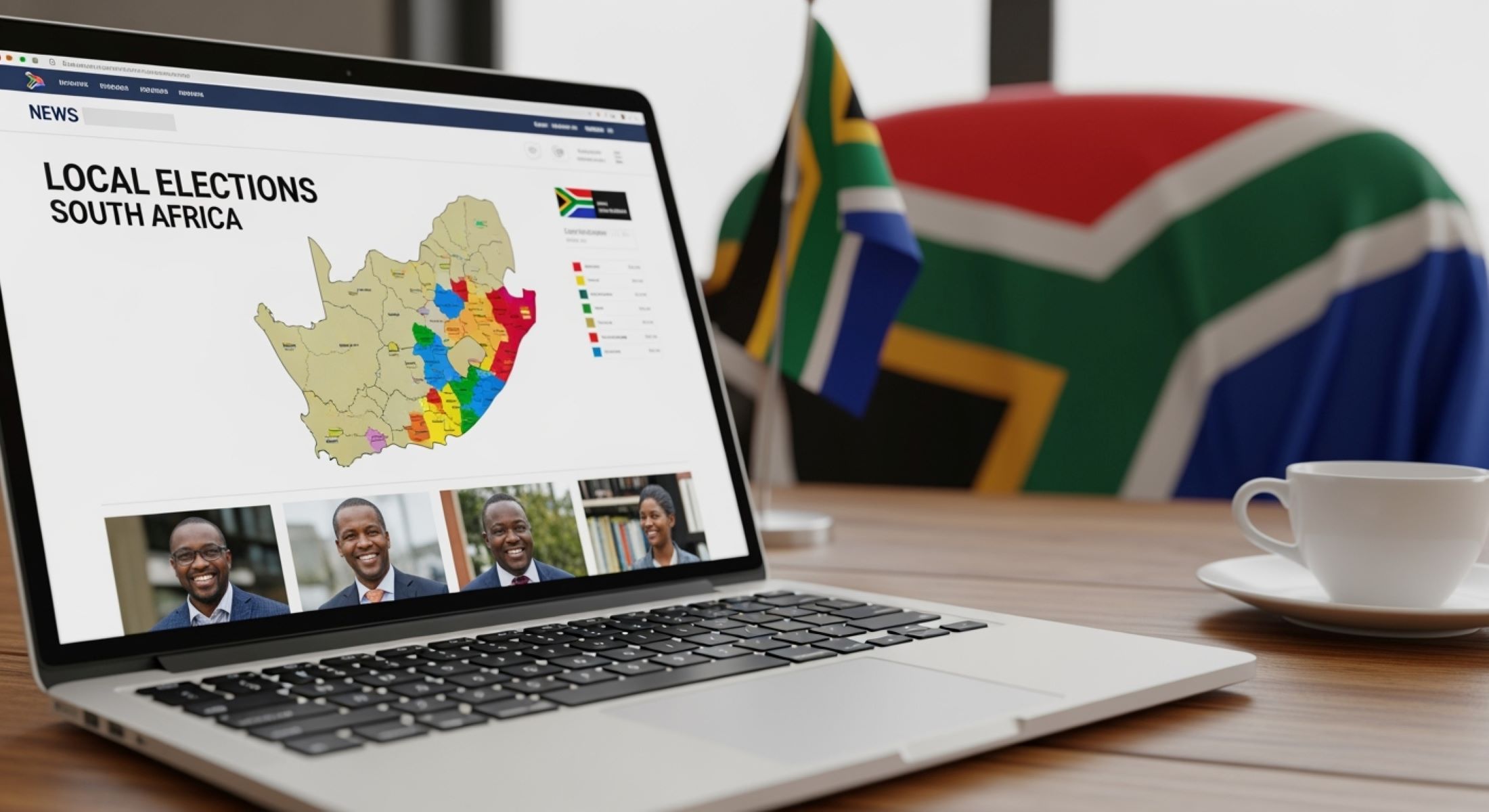
Ever wondered if you could place a wager on the outcome of local elections in South Africa? Betting on sports and popular events is a global pastime, but political betting — especially on local elections — is a different ballgame. South Africa’s unique legal and cultural landscape makes this an intriguing question. So, can you bet on local elections in South Africa? Let’s unpack this, step by step.
Understanding Betting Laws in South Africa
Before we dive into the specifics of betting on local elections, it’s essential to understand the broader legal framework surrounding gambling in South Africa. The country has a complex and tightly regulated gambling landscape that has evolved significantly over the past few decades. At the heart of it is the National Gambling Act of 2004, which provides the overarching legal basis for all gambling activities in the country. This law was introduced to ensure fairness, prevent criminal involvement, protect consumers, and create a national standard across all provinces. It covers everything from land-based casinos and betting shops to online gambling and regulatory enforcement.
The legislation also underwent further refinement through the National Gambling Amendment Act, which was aimed at tightening loopholes and addressing the growing online betting market. In practice, though, each of South Africa’s nine provinces has its own Gambling Board that oversees operations within its jurisdiction. This provincial control allows each region to license betting operators, enforce rules, and monitor compliance, although they must still adhere to national standards. This dual system — national laws and provincial enforcement — has created a structured but somewhat fragmented regulatory environment.
Currently, the most popular and fully legal form of betting in South Africa is sports betting, particularly on football, rugby, and horse racing. These activities are well-regulated, with licensed bookmakers operating both online and offline. However, when it comes to political betting, including on local elections, the legal picture becomes much less clear. There are no specific laws that outright prohibit betting on political events, but there are also no provisions that explicitly legalize or regulate it. This means that licensed bookmakers in South Africa do not offer political betting markets, likely due to the legal ambiguity and the sensitivity surrounding elections.
Online betting adds another layer of complexity. While South African law allows licensed operators to offer online sports betting, it strictly prohibits unlicensed and foreign operators from targeting South African residents. Despite this, many South Africans still access international betting platforms that may offer political betting options. These sites operate in a legal gray area — technically not allowed, but often accessible due to lax enforcement or legal loopholes. As a result, political betting, especially on local elections, remains largely unregulated, with no clear guidelines for either operators or bettors.
Is Betting on Local Elections Legally Permitted?
| Aspect | Description | Comparison with Other Countries | Reasons for Lack of Regulation | Implications for Bettors |
| Official Regulatory Status | South Africa has no official laws or regulations allowing or banning betting on local elections. | In the UK and US, political betting is legally offered and regulated by licensed platforms. | Absence of formal policies from South African gambling authorities. | Licensed sportsbooks in South Africa do not offer election betting markets. |
| Political Sensitivity | Elections are considered a matter of national importance and sensitive political process. | Some countries separate gambling and politics clearly, others embrace political betting. | Concerns about the potential political impact of betting on election outcomes. | Betting on local elections is avoided by legal operators to prevent controversy. |
| Risk of Manipulation | Potential for betting to influence elections or for inside information to skew markets. | Other markets implement strict controls to prevent manipulation in political betting. | Fear that betting markets could encourage interference or unethical behavior. | Bettors may face unfair or manipulated betting conditions, especially on unofficial sites. |
| Popularity and Demand | Political betting has low cultural acceptance and demand compared to sports betting in South Africa. | In contrast, countries with popular political betting have established markets and demand. | Lack of widespread public interest reduces incentive to regulate or offer political betting. | Limited market means fewer opportunities and less liquidity for bettors interested in politics. |
| Unofficial/Offshore Options | Some offshore platforms might offer election betting markets accessible to South Africans. | Offshore sites often provide political betting where local laws are restrictive. | These operate in legal gray zones, without South African regulatory oversight. | Bettors using offshore sites risk legal issues, lack of protection, and potential fraud. |
The Popularity of Political Betting Globally
To really get why South Africa has the stance it does on betting in local elections, it helps to look at how political betting plays out around the world. Different countries have very different approaches, shaped by their legal frameworks, cultural attitudes, and the popularity of gambling overall. Here’s a detailed look at some key countries and their relationship with political betting:
- In the United Kingdom, political betting is fully legal and regulated. It’s a well-established part of the betting landscape, with major licensed platforms like Betfair and Ladbrokes offering extensive markets on everything from general elections to local political races. The UK’s open approach is backed by a mature regulatory environment that ensures fairness and transparency for bettors.
- The United States presents a more complicated picture. At the federal level, political betting is mostly illegal due to strict gambling laws. However, there are exceptions, such as PredictIt, a legal political prediction market that operates under special regulatory approval. Some states are moving towards loosening restrictions, but political betting remains limited compared to other forms of gambling.
- In Australia, political betting is legal on some platforms, reflecting a middle ground. Licensed operators like Sportsbet and TAB offer markets on national and occasionally local elections, though political betting is not as dominant as sports betting. The regulatory environment supports these offerings, but political betting hasn’t become a cultural mainstay.
- South Africa stands out because political betting is neither officially regulated nor widely offered. No licensed South African sportsbooks provide markets on local elections or other political events. While some offshore sites might allow South Africans to bet on politics, these operate without local authorization and carry risks. The lack of political betting here reflects the country’s legal ambiguity and relatively low demand for such products.
Why Do People Want to Bet on Elections?
Betting on elections brings a unique kind of excitement that traditional sports betting simply can’t match. For many, it’s like playing fantasy sports, but instead of athletes and teams, the focus is on candidates, parties, and political outcomes. This form of betting adds a layer of engagement to the political process that transforms passive observation into active participation. People enjoy the thrill of predicting who will win, and that sense of involvement can make following an election feel more dynamic and entertaining.
There’s also a strong element of predictive fun involved. Many bettors feel empowered by their political knowledge and insights. Trying to guess the outcome based on polls, campaigns, and current events can be intellectually stimulating. It’s almost like a game of strategy — analyzing trends, voter behavior, and unexpected twists. This challenge attracts those who like to test their understanding of politics and see if they can outsmart the market or their peers.
For some, betting on elections goes beyond fun — it becomes a way to potentially profit from their political savvy. When you believe you have an edge or insider knowledge about how a local election might play out, placing a bet can seem like a smart move. The chance to earn money from predictions adds incentive and turns the political process into a financial opportunity. This profit potential can be particularly attractive in closely contested or unpredictable races.
Local elections hold a special appeal because of their unpredictability and unique dynamics. Unlike national elections, local contests often have smaller voter bases and more localized issues that can drastically affect the outcome. This makes them harder to forecast and more intriguing for bettors who thrive on challenges. The complexity and nuance of local politics mean that well-informed bettors might spot opportunities others miss, making local elections a compelling target for those looking to bet on politics.
Risks and Ethical Concerns with Election Betting
| Risk Category | Description | Potential Impact | Examples or Scenarios | Government Concerns |
| Election Integrity Risks | Betting markets could potentially influence voter behavior or encourage unethical actions like vote-buying. | Undermines the fairness and legitimacy of elections. | Large bets placed on certain outcomes might tempt manipulation. | Governments worry that betting may encourage corruption or interference in democratic processes. |
| Manipulation of Odds | Odds can be distorted by insider information, misinformation, or coordinated betting to sway public perception. | Distorts market fairness and misleads bettors. | Fake news or leaks could be used to influence betting lines unfairly. | Authorities fear that manipulation harms trust in both elections and betting markets. |
| Social Impact | Betting on elections raises ethical issues, especially concerning gambling addiction and moral considerations. | Gambling addiction could increase; ethical debate over betting on democracy. | Individuals might develop compulsive gambling habits tied to political outcomes. | Governments are cautious about promoting gambling on politically sensitive matters that affect society broadly. |
| Legal Ambiguity | Lack of clear laws around election betting can lead to unregulated markets and potential illegal activities. | Unregulated betting exposes bettors to fraud and lack of protections. | Offshore or illegal sites operating without oversight. | Governments concerned about consumer protection and enforcement challenges. |
| Public Trust and Morality | Wagering on democratic events may erode public trust in political processes and raise moral objections. | Possible decrease in voter confidence and political engagement. | Public backlash if elections seen as gambling events. | Authorities wary that political betting may undermine democratic values and social cohesion. |
Alternatives to Betting on Local Elections in South Africa
Since there are no official betting markets for local elections in South Africa, bettors interested in political outcomes often look for other ways to engage with the process. Here’s a detailed list of alternative methods people might use to get involved or satisfy their interest in election predictions without breaking legal boundaries:
- Prediction Markets on International Platforms: While South Africa doesn’t offer licensed political betting, platforms like PredictIt in the United States allow users to buy and sell shares based on election outcomes. These markets function as a kind of stock exchange for political events, providing a way to speculate on results with real money. However, these platforms are generally not accessible or legally supported in South Africa, limiting their use by local bettors.
- Informal Social Betting: Many people engage in casual betting among friends, family, or community groups. These social bets usually involve small stakes and are done in good spirit without any official oversight. While technically these activities might be considered informal gambling, they tend to fly under the radar and are often viewed as harmless fun rather than commercial betting.
- Fantasy Politics Games: Inspired by fantasy sports, these games allow participants to create hypothetical political teams or portfolios based on candidates or parties. Instead of real money, points or prizes are awarded based on actual election outcomes. Fantasy politics offers a risk-free, engaging way to test political knowledge and prediction skills without involving gambling or financial risk.
- Poll and Survey Participation: Engaging with opinion polls, surveys, and prediction contests hosted by media outlets or political organizations can satisfy the urge to guess election outcomes. Though these do not involve betting, they provide interactive platforms for political enthusiasts to share and compare their predictions.
- Political Discussion Forums and Communities: Joining online forums, social media groups, or community discussions centered on election predictions allows individuals to debate, speculate, and share insights about local elections. While there’s no betting involved, this social engagement can replicate some of the excitement of political wagering.
- Educational Simulation Games: Some educational platforms offer election simulation games where users can run virtual campaigns or predict results based on real-world data. These games are typically designed to inform and entertain rather than offer monetary stakes, making them a legal and ethical alternative.
- Charity or Fundraising Bets: Occasionally, groups organize bets on political outcomes where the stakes go to charity rather than individual gain. These socially conscious bets provide a way to participate in election predictions while supporting good causes, often bypassing legal issues around gambling.
- Informal Marketplaces or Exchange of Predictions: In some circles, people trade predictions or insights on elections informally, sometimes even for goods or favors instead of money. While this is a gray area legally, it represents another way to engage with election outcomes without formal betting.
- Use of Statistical and Analytical Tools: For those more interested in the intellectual challenge, using data analysis, statistical modeling, and election forecasting software can be an alternative. Although this doesn’t involve betting, it satisfies the curiosity and engagement that betting on elections typically provides.